
Why try companion cropping?
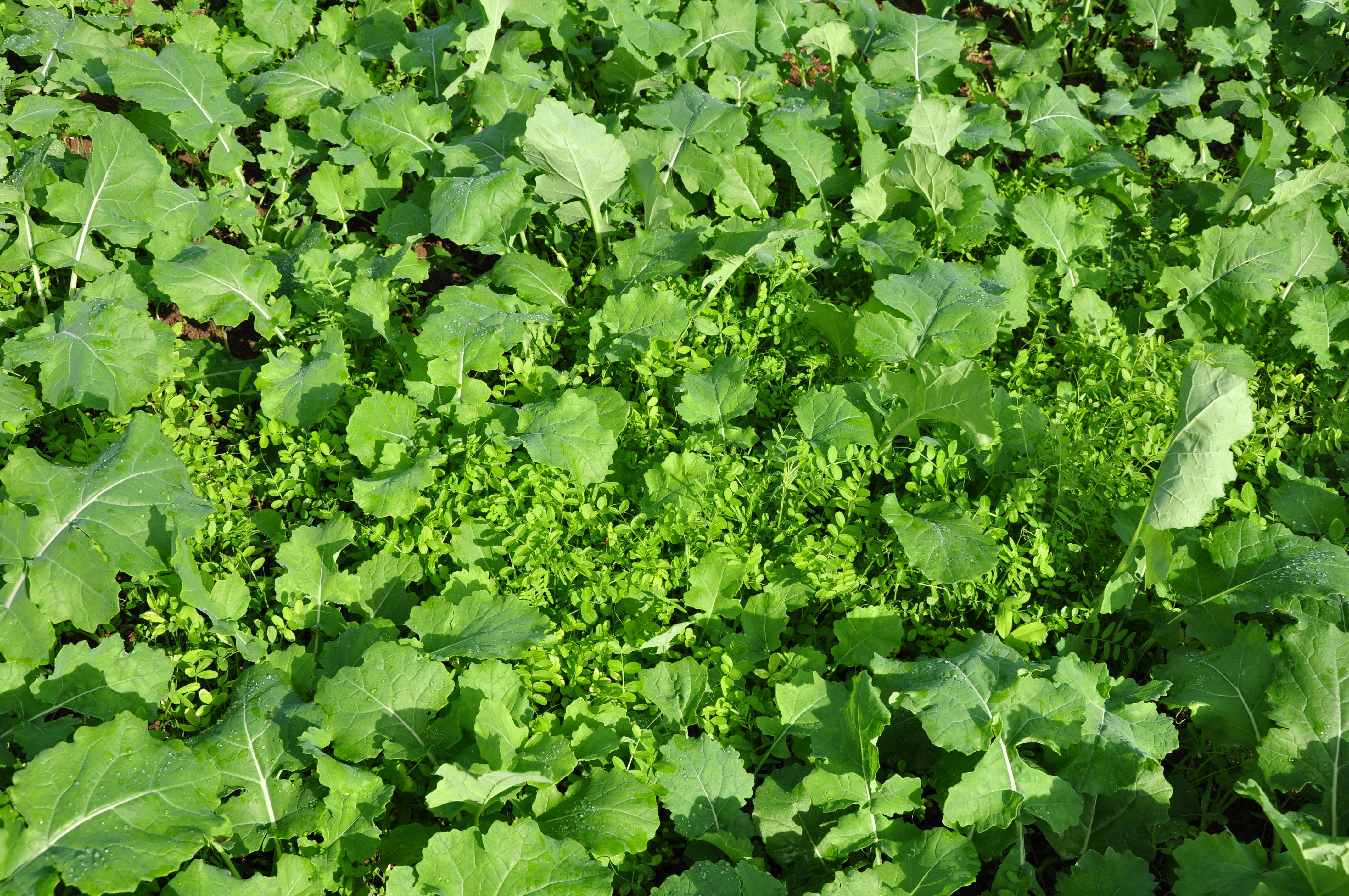
Companion cropping in Oilseed Rape (OSR) is increasingly being used by farmers as a practical way to improve establishment and reduce risk, particularly where Cabbage Stem Flea Beetle (CSFB) pressure is high. By drilling OSR alongside carefully chosen companion species – such as clover, vetch, oats or buckwheat – growers can create a more resilient crop in those crucial early weeks after drilling. These companion plants help to confuse and distract pests, provide rapid ground cover and support beneficial insects, all while the OSR is getting established.
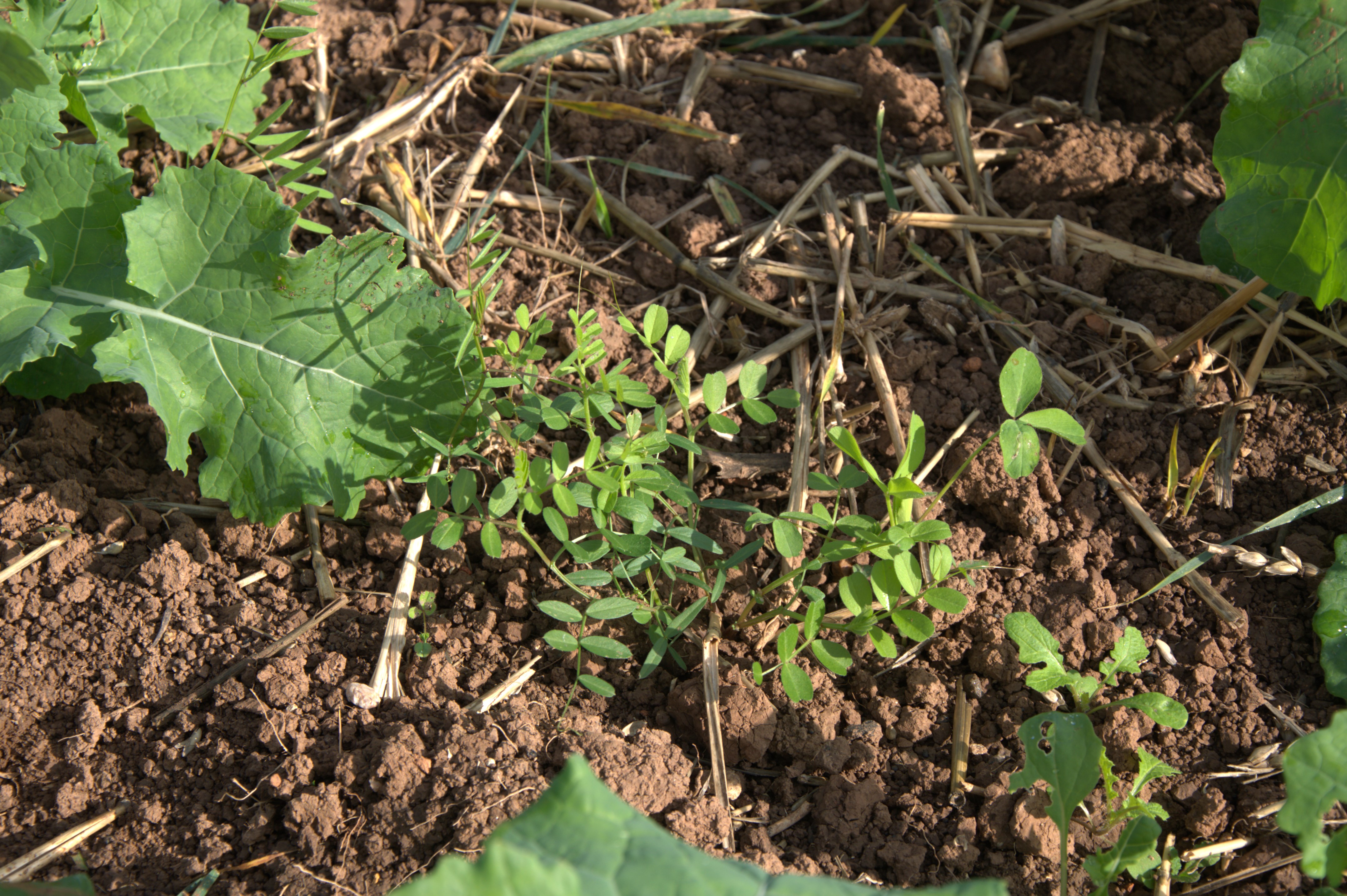
In practice, companion crops can deliver several added benefits. Legumes like clover and vetch can help contribute nitrogen, while fibrous and deeper-rooting species improve soil structure, drainage and rooting depth. Faster canopy cover can also help suppress weeds, reducing early competition and easing pressure on post-emergence control. Many farmers report stronger, more even OSR establishment and crops that cope better with challenging autumn conditions.
Companion cropping isn’t a silver bullet, and results will vary depending on soil type, drilling date, weather and local pest pressure. Getting the basics right – choosing the right species mix, drilling accurately, and managing or removing companions at the right time – is key to success. Trials and on-farm experience continue to refine what works best in different situations, but companion cropping is already proving to be a valuable tool in making OSR more robust and reliable.
At United Oilseeds, we see companion cropping as a practical option for growers looking to stack the odds back in favour of OSR – helping crops get away quickly, reducing reliance on chemistry, and supporting a more resilient, sustainable rotation.
Our top selling companion crop mixes
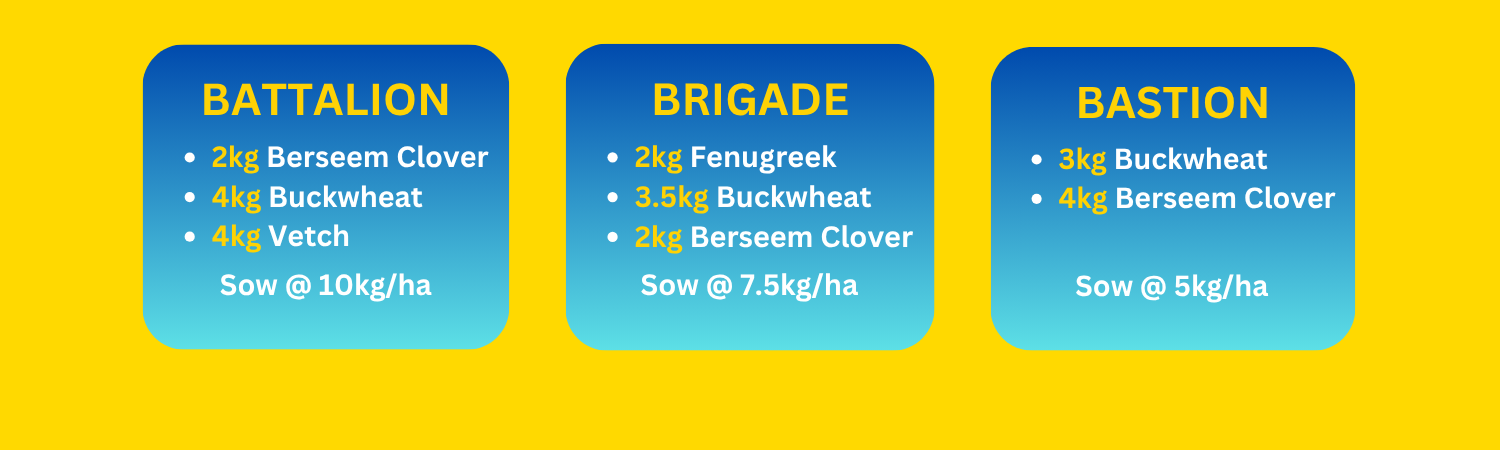
BATTALION
The Berseem clover content in the mixture aids root penetration for the OSR crop and the quick vigorous growth of buckwheat should assist with weed suppression. Vetch will fix nitrogen but will need taking out with a herbicide, as it is frost tolerant.
BRIGADE
Fenugreek and Berseem clover will provide some nitrogen fixing to benefit the OSR crop and Berseem clover will aid OSR root penetration. Buckwheat’s vigorous growth will suppress weeds, potentially helping to reduce herbicide costs. This mixture should be easily killed by frosts.
BASTION
Fenugreek will help with nitrogen fixation and it is thought that the scent of the plant may confuse cabbage stem flea beetle and mask the OSR crop. Berseem clover is included as it will assist with root penetration. Both species will be easily killed by frost.
ADDITIONAL INFORMATION
- The preferred mixes detailed above can be purchased with any OSR variety
- The mixes will be packed seperately to the OSR seed
- Delivery will be seperate from the OSR seed
- All mixtures can be sown at the same time as the OSR seed
- Additional options including straights are available - Just get in touch
What about the cost?
While adding a companion crop does increase upfront seed costs, on-farm experience suggests this is often offset by savings elsewhere in the rotation. Many growers report reduced pressure from weeds and pests, allowing more flexibility – and in some cases lower spend – on herbicides and insect control. Faster ground cover from companion mixes can suppress problem weeds early, while the presence of alternative plant species can help reduce grazing pressure on emerging OSR.
There is also a nutritional payback. Legume companions such as Berseem clover and vetch can fix atmospheric nitrogen, contributing to soil nitrogen supply both during the OSR crop and for following crops in the rotation. While they are not a direct replacement for fertiliser, they can help improve nitrogen efficiency and, over time, reduce reliance on bought-in nitrogen inputs. Improved soil structure and rooting from companion crops can also support better nutrient uptake, helping the crop make more of what is already in the soil.
Taken together, these benefits mean companion cropping should be viewed as an investment rather than an added cost. When reduced pest and weed pressure, improved crop establishment, and longer-term soil and fertility gains are factored in, many growers find the overall economics stack up – particularly in higher-risk OSR situations where establishment failure is the biggest cost of all.
Find out more or order your seed
Contact your Area Manager in your region to discuss companion crops, OSR seed and next steps.
If you're unsure who your Area Manager is, please visit our Area Manager page or contact our office, and we'll connect you with the right person.